
 Crystal
 Granite
 Limestone
 Marble
 Onyx
 Travertine
 Block
 Slab
 Stairs
 Tile
 Stone Artifacts
 Abrasives
 Segment Disc
granite

What is granite? Introducing the types of granite and its uses in construction
Granite is one of the most resistant and durable building stones. In this article, you will learn about the types of Iranian granite, its features, advantages, disadvantages and uses in construction.
What is granite?
Granite is an internal igneous rock that is formed by the slow cooling of molten masses deep in the earth. This stone is one of the best options in heavy construction projects due to its high density, excellent resistance to pressure, scratches, abrasion and heat.
Granite is made of a combination of quartz, feldspar, mica and various minerals, and for this reason it has coarse-grained designs and various colors.

Features and Benefits of Granite
Important Features of Granit
- Very high strength against impact and pressure
- Excellent resistance to abrasion and heavy traffic
- High thermal resistance (suitable for kitchens, laboratories, exteriors)
- Very low water absorption
- Very long life
Advantages of Granite
- Suitable for high-traffic areas such as parking lots, stairs, and flooring
- No discoloration from sunlight
- Easy to maintain
- Excellent sandability
Disadvantages of Granite
- Heavy weight
- Higher price than some other stones
- Less variety of colors than marble and travertine
- High hardness (takes more time to execute and cut)
Types of Iranian Granite
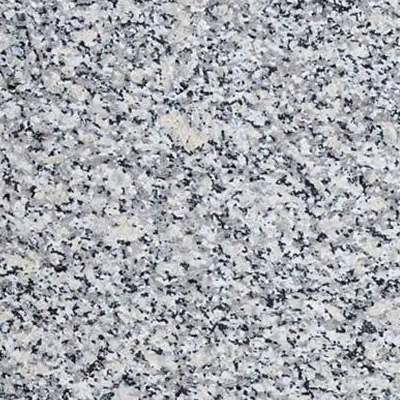
Iran has extensive granite mines, and many of its types are popular in the domestic and export markets.
1. Nehbandan Granite
- Color: Gray, Cream, Orange, Peach
- Feature: Very Hard, Wear-Resistant
- Application: Flooring, Pavement, Stairs, Facade
2. Mashhad Pearl Granite
- Color: Light Gray with Black Grains
- One of the Most Economical Granites in Iran
- Application: Flooring of Units, Parking, Staircase
3. Natanz Granite
- Color: Black, White-Black, Gray
- High Quality and Export
- Application: Exterior, Cabinet Countertops, Flooring
4. Zahedan Granite
- Color: Uniform Gray
- Very Good Sandability
- Application: Flooring, Stairs, Public Spaces
5. Gabbro Granite (Spottery Black)
- Color: Deep Black
- Luxurious and Durable Appearance
- Application: Modern Facade, Interior Decoration
6. Birjand Granite
- Color: Cream-Pink
- Warm and beautiful appearance
- Application: Interior floors, classic facades
Applications of granite stone in construction
Granite is used in large and small projects due to its high resistance:
1. Interior and exterior flooring
- Complex lobbies
- Shopping malls
- Airports, subways, public spaces
2. Staircases and treads
Due to its resistance to impact and heavy traffic, it is an ideal choice for stairs.
3. Exterior facade of the building
Granite does not change color in sunlight and rain and is one of the most durable options for facades.
4. Kitchen cabinet and island
High heat resistance and scratch resistance make it a suitable option for the kitchen.
5. Paving areas and sidewalks
Granite is the best option for areas with high pressure and high traffic.
6. Tombstone
Due to its durability and uniformity, it is also produced in large sizes.

How is the price of granite determined?
The price of granite depends on the following factors:
- Type of quarry and color of the stone
- Degree of quality and uniformity
- Thickness (2, 3, 4 cm)
- Sanding and polishing
- Dimensions (slab or tile)
- Cost of extraction and transportation
Rare granites such as Natanz Black or Gabbro have a higher price.
Conclusion
Granite is one of the most resistant and durable building stones produced in Iran with a variety of colors and qualities. If you need a durable, economical stone with a long lifespan for large projects, high-traffic floors, stairs, cabinet tops or exteriors, granite is one of the best options.